
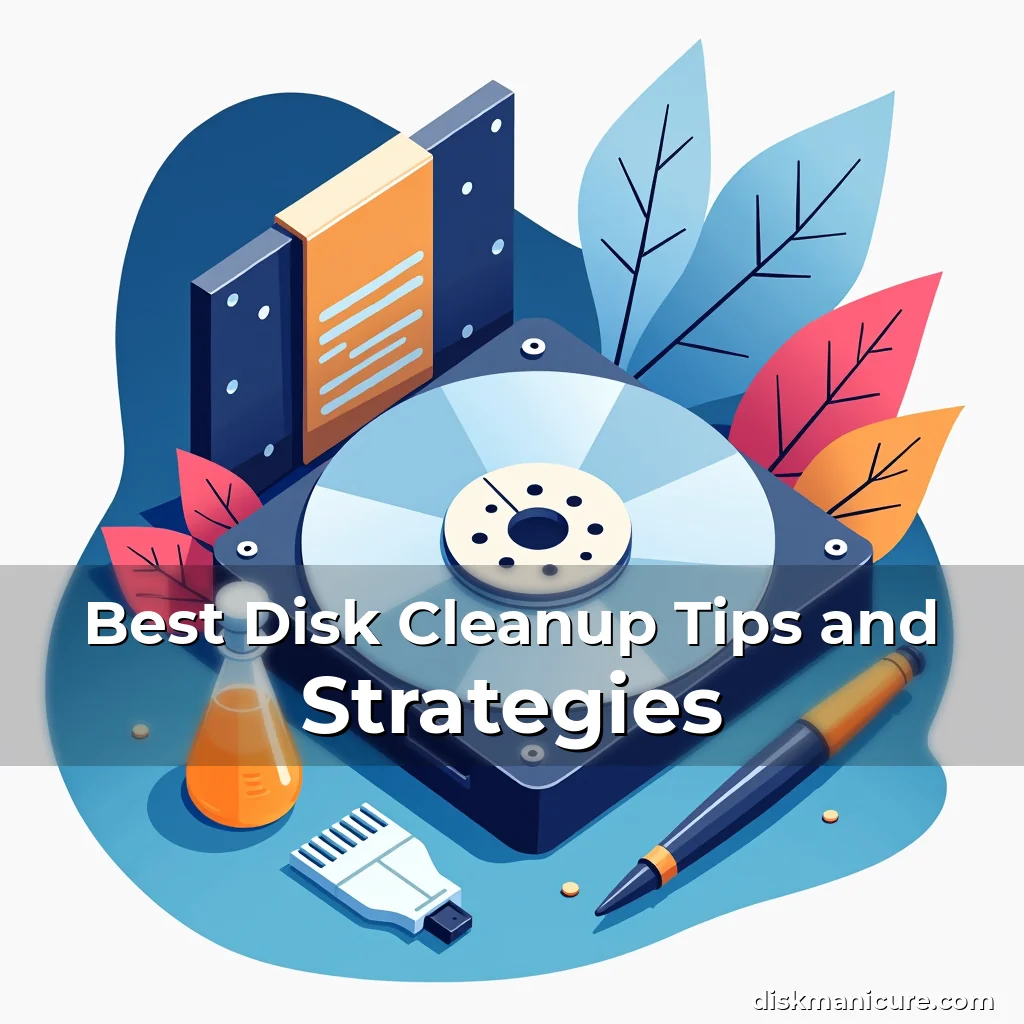
Master Your Storage Space: Essential Disk Cleanup Tactics for Tech Enthusiasts
In today’s digital age, maintaining optimal computer performance hinges on effective disk management. As files accumulate across operating systems—from Windows 10/11 to macOS—the threat of sluggish responses and full drives becomes inevitable. This guide provides you with precise methods to reclaim space while boosting system efficiency.
Whether you’re troubleshooting slow startups or preparing your machine for new projects, mastering disk cleanup isn’t just maintenance—it’s essential optimization. With over 8 billion devices worldwide facing storage challenges, adopting smart practices can transform how you interact with technology daily.
The Science Behind Digital Clutter Accumulation
Modern computers constantly generate temporary files through routine operations. Every software update
Consider third-party analyzers like WinDirStat or DaisyDisk for visual mapping of storage consumption. These tools reveal hidden culprits through color-coded charts, allowing strategic decision-making instead of blind guesswork about which files contribute most to congestion.
- Windows Features: Use the ‘Clean Up System Files’ option accessible via Advanced Settings to remove older Windows Update backups and service packs
- Mac OS Options: Enable Time Machine’s Smart Folders feature to auto-sort old backups separately from active files for easy review
- Linux Solutions: Utilize BleachBit for comprehensive scanning of configuration files, log files, and cookies that standard cleaners overlook
Beyond Basic Deletion: Optimized File Handling Practices
Adopt proactive behaviors that prevent excessive accumulation initially. Enable features like Chrome’s “Enable suggested sites” to limit unnecessary tab sessions storing session data. Configure email clients to store messages offline for no longer than seven days to reduce mailbox sizes significantly.
Regularly audit your device’s startup programs list. Applications launching at boot not only consume RAM but also leave background traces. Disabling non-critical launchers through Task Manager (Windows) or Login Items (macOS) reduces both memory usage and associated file debris.
Cloud Integration Best Practices
Synchronize smart folders between local storage and cloud services like Dropbox or Google Drive. Set automatic transfer rules to move infrequently accessed files to online archives while keeping current working directories leaner. Cloud providers offer generous free tiers sufficient for most casual backup needs.
Implement cross-platform sync settings that exclude known heavy file types from synchronization. Media libraries containing large video collections, for example, benefit greatly from being stored exclusively in cloud repositories without replicating them locally.
Security Implications of Incomplete Cleanup
Improper removal procedures risk leaving sensitive information vulnerable. Simply deleting files doesn’t erase data permanently—it merely marks space as reusable. Specialized wipe tools like Eraser or DBAN perform secure deletion patterns meeting military-grade standards for privacy protection.
Be especially cautious with removable media devices. USB sticks used for transfers may contain confidential work files requiring complete sanitization before disposal. Always use certified destruction algorithms when handling sensitive material.
- Password Managers: Securely back up vaults externally before performing deep cleans to avoid losing saved credentials temporarily
- Firmware Updates: Verify completed firmware installation prior to cleaning up related download packages to avoid potential reinstallation issues
- Device Drivers: Keep recent driver installers archived until next hardware upgrade cycles to maintain compatibility fallback options
Evolving Challenges in Modern Storage Environments
With increasing adoption of virtual machines and container technologies, storage dynamics have become more complex. Hypervisors generate snapshot layers that multiply rapidly unless manually pruned periodically. Monitoring allocated vs used space in VM environments becomes crucial for efficient resource allocation.
SSD endurance characteristics require modified cleanup approaches compared to traditional spinning disks. Frequent TRIM commands help maintain drive longevity while preventing premature wear-out from repeated writes during garbage collection processes.
Future Trends in Automatic Optimization
Rising AI integration promises smarter disk analysis capabilities soon. Emerging technologies analyze behavioral patterns to predict storage needs dynamically rather than relying solely on fixed quotas. Early adopters report up to 30% reduction in unexpected storage alerts after implementing predictive analytics tools.
Blockchain-based verification mechanisms may emerge as trusted archival methods, offering immutable proof-of-storage tracking without compromising accessibility. Though currently niche, these innovations suggest upcoming paradigm shifts in digital organization methodologies.
Community Collaboration Opportunities
Engaging with disk cleanup communities enhances knowledge sharing opportunities. Participate in forums discussing optimal tool configurations for different workflows. Share benchmark results comparing various cleaner effectiveness rates across different system setups.
Collaborative development efforts around open-source cleaning tools continue improving regularly. Contributing bug reports or suggesting enhancement requests helps shape future features aligned with real-world usage scenarios faced by everyday users.
Standardization Initiatives
Ongoing discussions aim towards creating universal metadata standards for easier identification of purgeable files across diverse ecosystems. Harmonized tagging conventions would allow cleaner tools to recognize disposable elements regardless of originating application.
Pilot programs testing standardized metadata frameworks show promising results, reducing average cleanup times by approximately 22%. Continued advocacy supports broader industry adoption of these unified specifications for enhanced interoperability benefits.
Conclusion
Effective disk management remains vital for sustaining modern computing experiences. Through methodical prioritization, intelligent tool utilization, and forward-thinking adaptations, users can maintain pristine storage conditions effortlessly. The right combination of techniques yields substantial improvements in overall system responsiveness and reliability.
Remember to schedule periodic maintenance routines that align with your workflow rhythms. Whether you prefer granular manual control or embrace emerging automation possibilities, consistent attention ensures your devices operate smoothly. Mastering these skills transforms storage upkeep from chore into strategic advantage.

news is a contributor at DiskManicure. We are committed to providing well-researched, accurate, and valuable content to our readers.
You May Also Like
Try Our Professional Nail Care Tools
Get accurate calculations for perfect manicures every time.