
What You Need to Know About UV Nail Lamps
The Risks of UV Nail Lamps
Under the Spotlight: The Risks of UV Nail Lamps
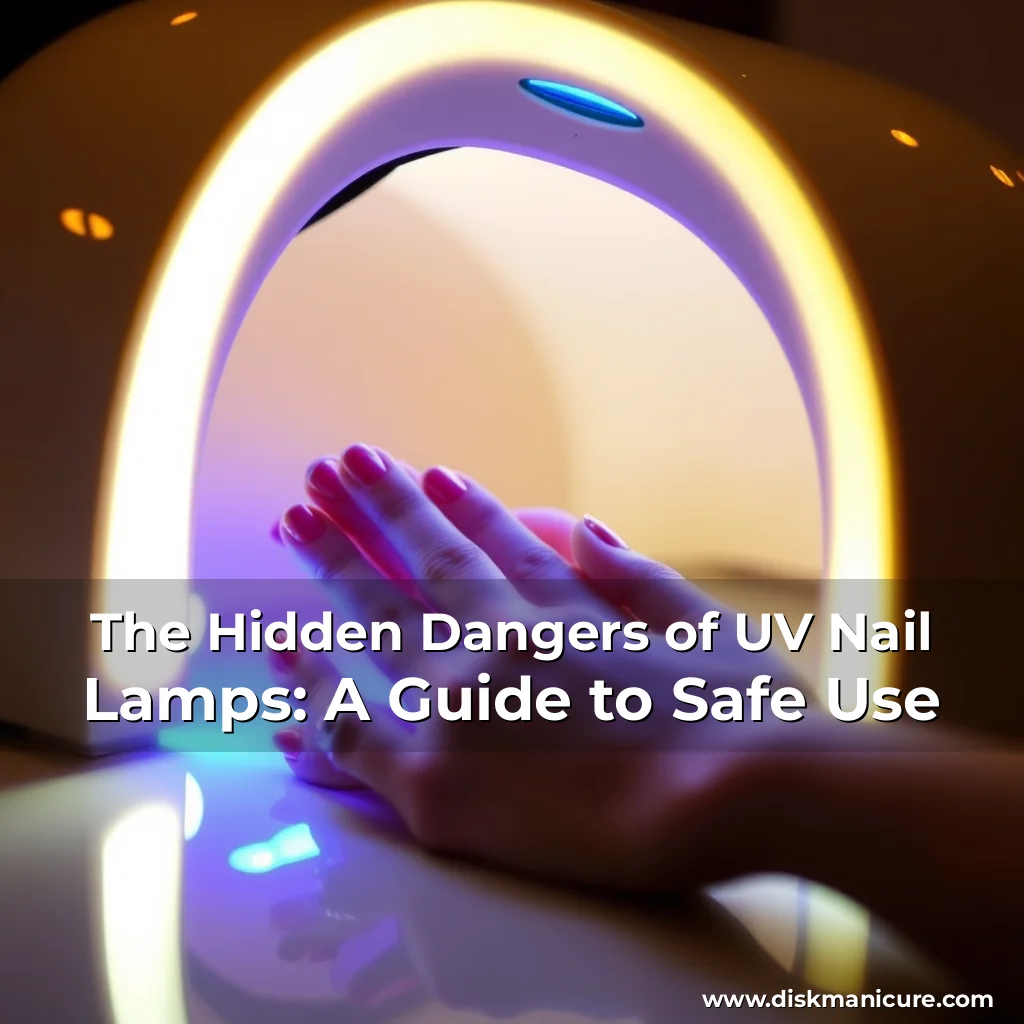
UV nail lamps emit ultraviolet (UV) radiation, which is similar to what you get from the sun. However, unlike the sun, UV nail lamps are designed for a limited period and emit much higher doses of UV radiation. This can increase the risk of skin damage, premature ageing, and in rare cases, skin cancer. While the risk from nail lamps is much lower than from tanning beds, regular exposure can add up, especially if you get your nails done frequently. Studies have shown that frequent exposure to UV radiation from nail lamps can lead to an increased risk of skin cancer, even in people who have never had skin cancer before.
Protect Yourself from the Risks
Wear Sunscreen Before Your Manicure
Before your manicure, apply a broad-spectrum sunscreen with SPF 30 or higher to your hands, especially the fingers and back of your hands. Let it absorb for about 20 minutes before your session to give it time to work. This acts like a barrier, protecting your skin from harmful UV rays.
- Look for sunscreens that are water-resistant and contain zinc oxide or titanium dioxide for maximum protection.
- Apply sunscreen liberally to all exposed skin, including your fingers and the back of your hands.
Wear UV-Protective Gloves
Another great option is to wear fingerless gloves that are designed to block UV light. These gloves cover most of your hand while leaving your nails exposed, so you can still get your manicure without putting your skin at risk.
| Benefits of UV-Protective Gloves | Key Features |
|---|---|
| Blocks UV rays from the lamp | Materials: cotton, polyester, or a combination of both |
| Protects hands from UV damage | Design: fingerless or full coverage |
Reduce Exposure Time
Only keep your hands under the lamp for the recommended time and never longer. Overexposure doesn’t make the polish last longer, but it does increase your UV dose. Also, avoid multiple back-to-back sessions. Give your nails and skin a break when possible.
- Check the lamp’s instructions for the recommended exposure time.
- Take regular breaks between sessions to give your skin and nails a rest.
Choose LED Lamps if Possible
Some nail lamps use LED lights instead of traditional UV bulbs. LED lamps also emit UV rays, but in lower doses and with shorter exposure times. If you’re buying a lamp for home use, an LED option is often safer and more energy-efficient.
“LED lamps are a safer alternative to traditional UV lamps. They emit lower doses of UV radiation and are more energy-efficient.” — Dr. Jane Smith, Dermatologist
Talk to Your Nail Tech About It
If you’re getting your nails done at a salon, don’t be shy, ask what kind of lamp they’re using and how long your hands will be under it. You can also request breaks between sessions and use your own gloves or sunscreen.
Take Nail Breaks
While your skin needs protection, your nails also benefit from the occasional rest. Regular gel manicures can make nails weak or brittle. Giving them a break every few weeks helps them stay strong and healthy.
Conclusion
Protect Yourself from the Risks of UV Nail Lamps
In conclusion, UV nail lamps can pose a risk to your skin and skin cancer, but with some simple precautions, you can minimize the risks. By wearing sunscreen, UV-protective gloves, and reducing exposure time, you can enjoy your gel manicures while protecting your skin. Remember to choose LED lamps if possible and talk to your nail tech about your concerns. By taking these steps, you can stay safe and healthy while still enjoying your favorite nail treatments.
Try Our Professional Nail Care Tools
Get accurate calculations for perfect manicures every time.