
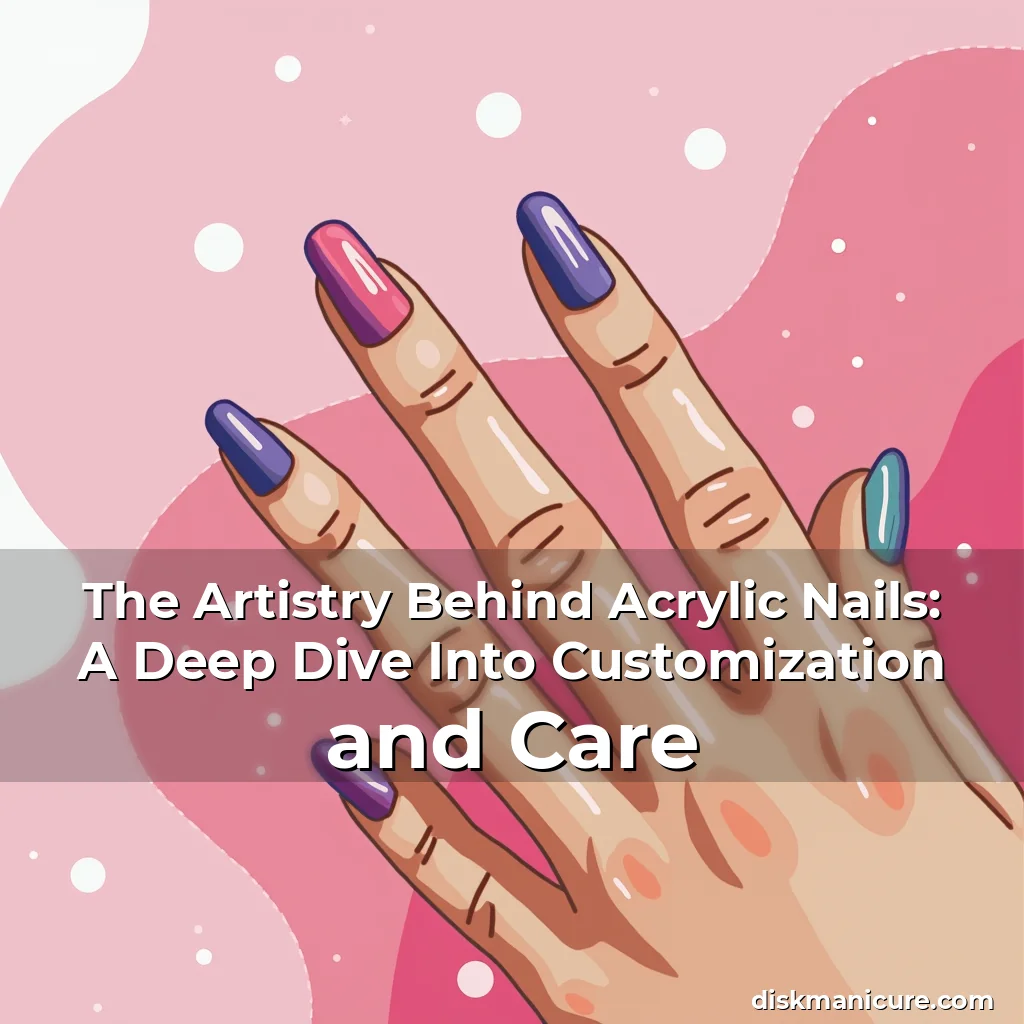
The Artistry Behind Acrylic Nails: A Deep Dive Into Customization and Care
In the ever-evolving world of beauty, acrylic nails have emerged as a symbol of both personal expression and meticulous craftsmanship. These artificial enhancements offer an unparalleled ability to transform natural nail beds into works of art, allowing individuals to explore bold designs, vibrant colors, and intricate patterns. For those who seek to elevate their manicure game beyond traditional polish, acrylics present a versatile canvas that caters to every style preference.
Beyond aesthetics, acrylic nails also serve functional purposes such as strengthening brittle nails or providing protection against daily wear and tear. This dual benefit has made them a popular choice among professionals and hobbyists alike within the diskmanicure community, where innovation meets precision at every turn.
The Science of Acrylic Nail Formation
Acrylic nails are created through a chemical reaction between two primary components: liquid monomer and powder polymer. When these substances come together, they form a durable resin known as polymethyl methacrylate (PMMA). The process involves carefully applying the mixture onto the natural nail using either a brush or by dipping fingers into the powder while simultaneously soaking them in the liquid.
This technique allows for precise control over thickness and shape, making it ideal for creating various nail styles ranging from classic French tips to elaborate 3D sculptures. It’s crucial to understand how each element contributes to the final product—liquid provides flexibility whereas powder adds strength during curing.
- Liquid Monomer: Acts as the binding agent that holds everything together once cured.
- Powder Polymer: Offers structural integrity and resistance against chipping or cracking.
Choosing Between Gel vs. Acrylic Nails
While both gel and acrylic options provide long-lasting results, understanding their differences can help determine which best suits individual needs. Gels typically require UV light exposure for hardening but tend to be less damaging than acryics due to lower heat generation during application.
On the other hand, acrylic systems often involve filing down some portion of the natural nail bed before application—a step not usually necessary when working with gels. Additionally, removal processes differ significantly; removing acrylic requires soaking in acetone-based solutions whereas gels may only need gentle buffing techniques without harsh chemicals.
Georgia Lim Turns Nail Art From Creative Hobby To Platform To Build Community!
Durability Comparison
A study published in the Journal of Cosmetic Dermatology found that properly maintained acrylic nails last approximately four weeks longer compared to similar treatments done with gels alone. However, improper aftercare could lead to quicker degradation regardless of material used.
Proper maintenance includes regular moisturizing around the cuticle area and avoiding excessive moisture exposure which might weaken adhesive bonds over time. Both types benefit from occasional fill-ins performed by skilled technicians rather than DIY methods prone to errors.
Creative Possibilities With Acrylic Extensions
The versatility offered by acrylic extensions makes them perfect for experimenting with different shapes sizes textures even incorporating non-traditional materials like rhinestones metallic foils or painted motifs. Whether someone prefers minimalist lines or maximalist statements there’s always room for creativity.
Techniques such as sculpting freehand allow artists tremendous freedom while still maintaining structural soundness. Layered applications enable building up complex forms gradually ensuring stability throughout construction phases.
Tips For Achieving Flawless Application At Home
If attempting home application consider investing in quality tools specifically designed for acrylic work including brushes applicators trays etc. Always ensure surfaces remain clean dry prior beginning since contaminants can interfere bonding effectiveness.
To achieve smooth finishes avoid rushing steps particularly mixing ratios must follow manufacturer guidelines precisely otherwise uneven consistency may result leading potential imperfections later stages.
Maintaining Your Investment In Beauty
Regular upkeep plays vital role extending lifespan your acrylic creation. Schedule visits professional manicurists every three weeks ideally so they perform necessary fills prevent lifting issues develop prematurely.
At home care routines should include keeping hands away from water whenever possible especially washing dishes doing household chores without gloves. Moisture penetration weakens adhesion causing peeling flaking overtime.
Common Mistakes To Avoid During Installation Process
Newcomers frequently overlook importance thorough prep work before starting project itself. Failing adequately cleanse disinfect natural nail surface leads poor adhesion resulting early failure entire structure built upon faulty base layer.
Another common error involves incorrect powder-to-liquid ratio affecting overall durability appearance final piece. Too much powder creates brittle texture whereas insufficient amounts yield soft pliable substance lacking required rigidity.
Health Considerations And Safety Precautions
Although generally safe most people experience mild irritation contact areas mainly fingertips palms due prolonged exposure certain solvents involved cleanup procedures. Individuals sensitive skin conditions eczema psoriasis advised consult dermatologist beforehand undergoing treatment sessions regularly.
Always utilize protective gear such nitrile gloves ventilated workspace minimize inhalation fumes released during mixing reactions occur between chemicals applied directly onto skin surfaces. Proper ventilation reduces risk respiratory discomfort headaches dizziness associated volatile compounds used industry wide.
Eco-Friendly Alternatives Worth Exploring
As environmental awareness grows many consumers now seeking sustainable alternatives conventional acrylic products. Biodegradable formulations utilizing plant-derived ingredients becoming increasingly available market offering same level performance without harmful residues left behind post-removal phase.
These eco-conscious choices support reducing carbon footprint beauty sector promoting healthier lifestyles communities globally affected pollution caused synthetic materials discarded improperly waste management systems overwhelmed plastic debris annually generated worldwide.
Conclusion
Acrylic nails represent intersection fashion functionality serving purpose beyond mere adornment. Their adaptability ensures anyone can find suitable option matching lifestyle preferences whether opting minimalistic approach extravagant embellishments desired look.
By embracing knowledge gained exploring topics covered here—from scientific principles underlying formation creative possibilities endless variety safety measures essential health considerations—you’re equipped make informed decisions regarding future manicure experiences enriching journey self-expression through beautiful hands crafted skillfully.

news is a contributor at DiskManicure. We are committed to providing well-researched, accurate, and valuable content to our readers.
You May Also Like


Try Our Professional Nail Care Tools
Get accurate calculations for perfect manicures every time.